



Recent reports of Nipah virus cases in parts of India have sparked concern among travellers, but medical professionals in the UAE say there is no reason for panic or for cancelling planned trips. Instead, they emphasise the importance of awareness and sensible precautions.
According to UAE-based doctors, Nipah remains an uncommon infection and does not spread easily in everyday settings. Most travellers are unlikely to encounter the virus during routine travel, particularly when standard hygiene practices are followed.
Medical experts point out that, unlike highly contagious respiratory illnesses, Nipah transmission typically requires close and prolonged contact with an infected individual or exposure in specific high-risk environments, such as healthcare facilities during an outbreak.
Airport screenings offer limited reassurance
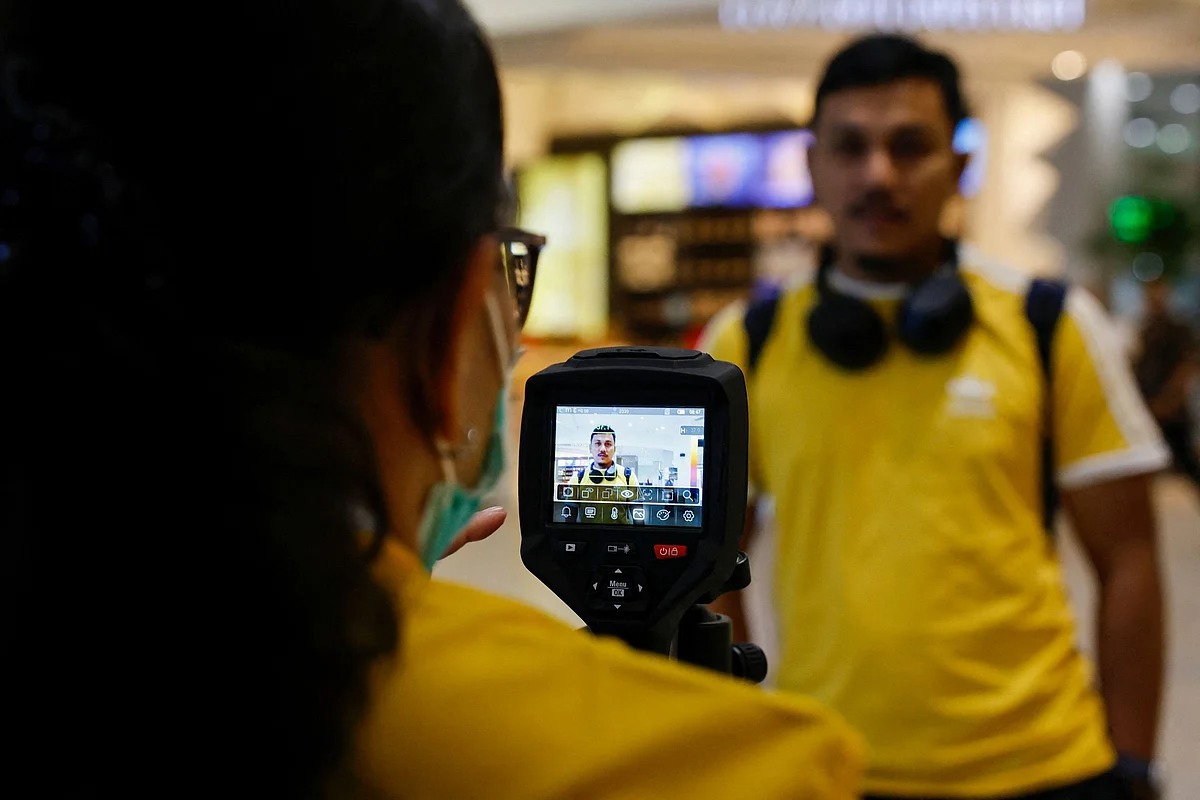
In response to international reports, some countries have introduced airport screening measures as a precaution. Doctors say these checks can help identify travellers who are visibly unwell, especially those with fever.
However, they caution that early symptoms may resemble a mild viral illness, making detection at borders challenging.
“Screening adds an extra layer of safety, but it cannot identify every case,” UAE doctors explained. “Personal awareness and timely medical consultation remain the most reliable safeguards.”
Simple precautions can reduce risk
Health professionals recommend practical, everyday measures for travellers, particularly when visiting regions where cases have been reported. These steps are designed to minimise exposure without disrupting normal travel plans.
Travellers are advised to avoid close contact with individuals who appear unwell, maintain regular hand hygiene, and be cautious about food choices. Consuming uncovered or street-cut fruits and unregulated food products is discouraged.
In areas experiencing outbreaks, doctors also recommend avoiding visits to medical facilities unless absolutely necessary. For those working in healthcare settings, strict protective measures, including masks, gloves and controlled contact protocols, are advised.
Monitor health after returning home
Doctors stress that travellers should remain attentive to their health after returning to the UAE. Early symptoms may initially appear mild, but changes in mental alertness should not be overlooked.
Medical professionals advise seeking prompt medical attention if fever is followed by signs such as confusion, extreme drowsiness, seizures or unusual behaviour. Travellers who feel unwell are also encouraged to limit social contact and clearly inform healthcare providers about recent travel history.
Travel plans can continue as normal
For the majority of UAE residents, doctors say there is no need to alter travel plans.
“The focus should be on vigilance rather than fear,” medical experts noted. “Staying informed, taking sensible precautions and seeking early medical advice if symptoms appear are usually sufficient.”
As international travel continues, UAE doctors reiterate that informed decision-making and basic preventive habits remain the most effective way for travellers to protect themselves while moving confidently and responsibly.
Advertisement
Advertisement


Advertisement
Advertisement


Advertisement
Advertisement


Advertisement


Advertisement